
Projects /
Homelab
The infrastructure under everything else: virtualization, storage, network, backups, monitoring and offline fallbacks.
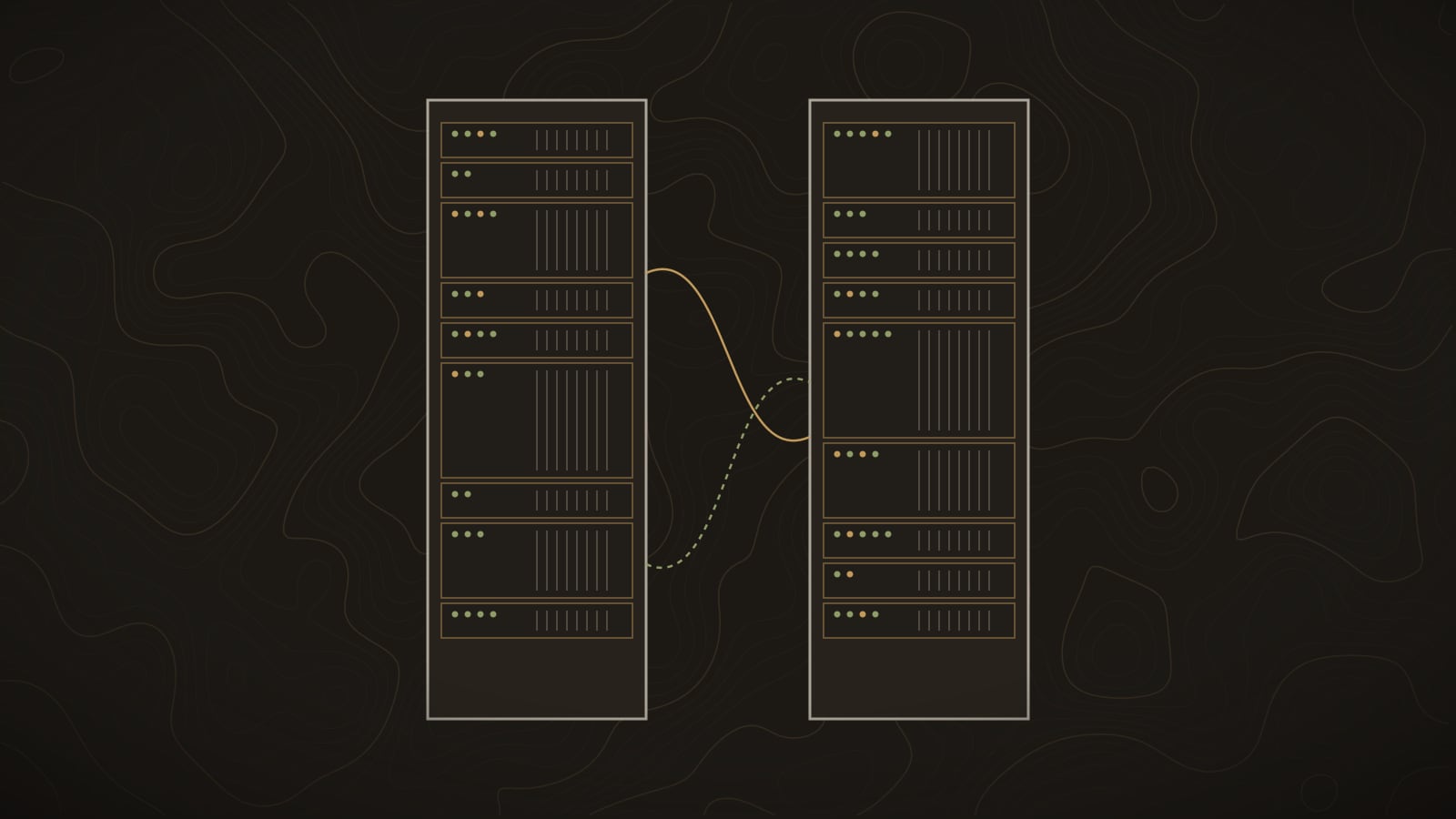
What’s in the rack
ComputeProxmox VE: a 4-node cluster of LattePanda Sigma boards (48 cores, 128 GB RAM) plus standalone hosts for service containers.
StorageQNAP TS-932PX serving iSCSI to the cluster (RAID 5 HDD + RAID 1 SSD), and a QNAP NAS for SMB shares.
BackupProxmox Backup Server on a ZFS RAIDZ1 pool, on separate hardware from the storage it protects.
NetworkUniFi switching behind a UDM Pro, gigabit fiber primary with 5G failover.
Remote accessTailscale mesh — nothing is port-forwarded to the internet.
Security & opsWazuh, Patchman, Prometheus + Grafana, and Vaultwarden behind Caddy TLS on an internal network.
Servicesn8n, YaCy, the AI stack, this website, and a growing list of single-purpose containers.
DeskLinux Mint workstations; everything documented in a custom Obsidian plugin.
Offline by design
The lab is also my plan for the day the internet goes quiet. YaCy keeps a private search index on local disk, and I keep offline mirrors of the sites I’d actually need in an outage. If the fiber and the 5G link both drop, the knowledge is still here.
How I build
- Unprivileged Ubuntu LXC containers first; full VMs only when something needs a kernel of its own.
- Every service gets a run-and-done install script, so rebuilding is a command, not an afternoon.
- Secrets live in root-only files, never in a script or a screenshot.
- A backup doesn’t count until it’s been restored.
Field notes
Going live: a lab staging site and a production Linode
The UmbraCore site is now public. I edit and approve changes on a container in the lab, and one button publishes them to a hardened server… Homelab
Building for the day the internet goes quiet
Dual WAN, a private search index, offline mirrors and backups on separate iron. Homelab